
Mennonite Windmills on the Zaan



Just outside Amsterdam, where the wind is always blowing, the Mennonite windmills still turn. They are reminders of a time when this region became the driving force behind an economic miracle. Over the course of several days, I travel through this area, exploring its industrial history and the people behind it.

From Wind Power to Industry
They engage in whaling, build ships for global trade, and produce paper, paints, oil, and spices. They are highly successful in doing so. At the height of their prosperity, around 600 windmills stand here, making this the world's first industrial area. These mills do far more than just grind grain. Powered by the wind, they saw timber, pound, crush, grind, mix, and perform many other industrial tasks.

The River Zaan as a Lifeline
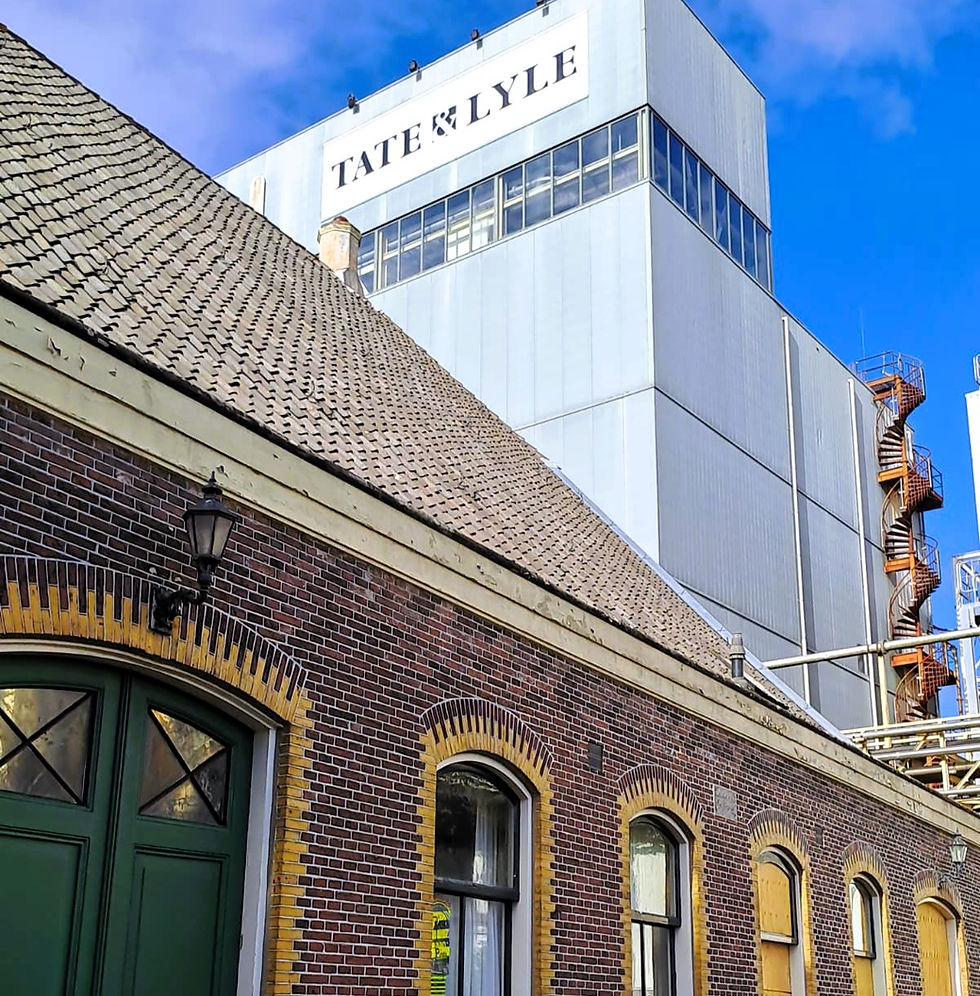
From an excursion boat, Dirk shows us the contrasts between then and now. Historic windmills stand right next to huge industrial facilities. On the river, we regularly pass ships carrying goods from the food industry. Then as now, the Zaan fulfills an important role. As a waterway for transport and shipbuilding, it makes a significant contribution to economic growth. From here, the open sea and Amsterdam, Europe's trading center, are both easily accessible.

Working as They Did in the Past
From my hotel, I watch numerous windmills turning in the breeze along the river. These mills have been preserved from the region's period of economic prosperity and today form part of an open-air museum. During a guided tour, I watch the millers at work. Everything is still produced here exactly as it was 250 years ago. In the paint mill, color pigments are made; in the sawmill, boards are cut; and in the oil mill, oil is pressed—all powered by the wind.
For many of the craftsmen and millers of the time, work is closely connected to their faith. More than half of them are Mennonites. They are honest, reliable, and hardworking. They reinvest their profits in their businesses, live simple lives, and avoid excessive consumption. As a result, they become increasingly wealthy. I realize that prosperity can grow out of restraint.
From the outside, they appear to be capitalists—without ever intending to be.

The Mennonite's Villa
Directly opposite the open-air museum, on the other side of the River Zaan, I visit the home of a Mennonite entrepreneur. The house of the Honig and Bret families stands in a row with numerous other historic villas.
"All the wealthy and influential people here were Mennonites in those days," says the guide leading us through the Mennonite house. Perhaps he exaggerates a little. According to my research, however, about 60 percent of the people living in this area were Mennonites. And nearly all of the influential entrepreneurs of the seventeenth and eighteenth centuries are said to have been Mennonites.
The guide shows me every room while telling the story of this region's economic rise and explaining the importance of the Honig and Bret families as paper manufacturers.

Churches That Do Not Stand Out
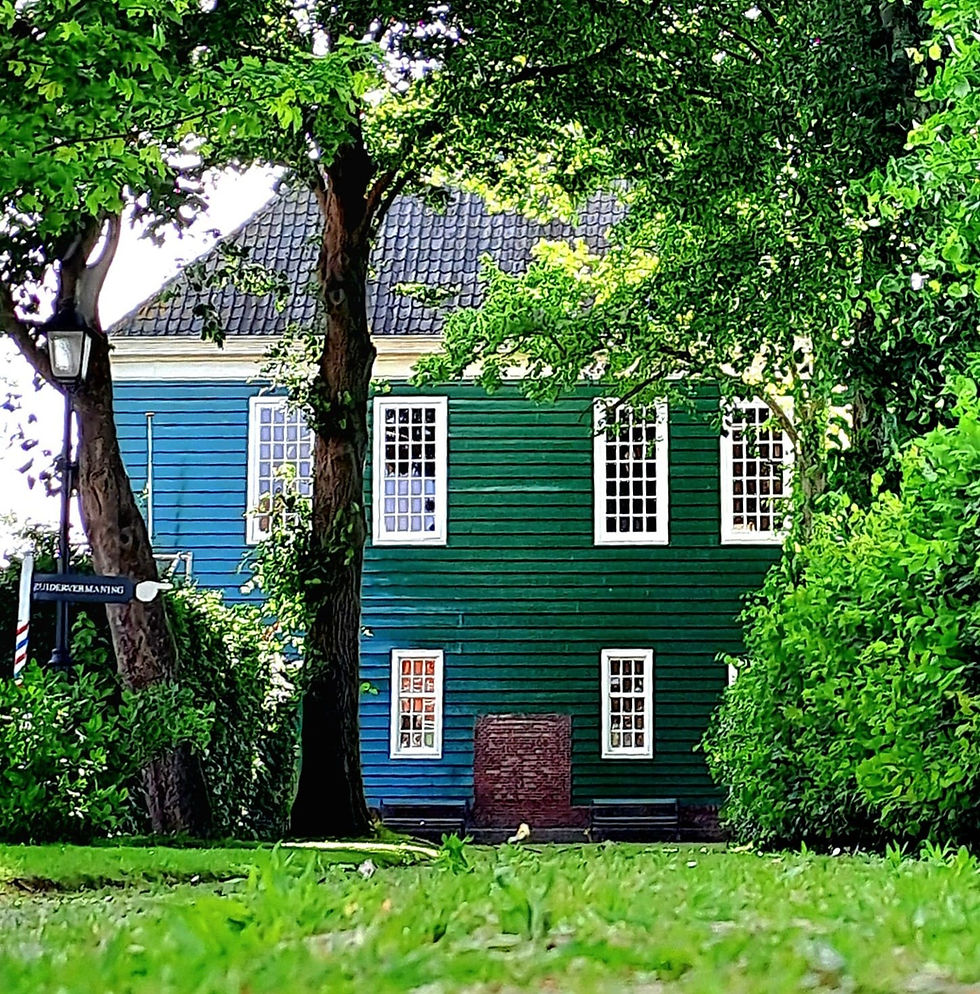
I devote an entire day to the Mennonite churches of this region. After visiting numerous churches, I notice that they all follow the same principle. The simple Mennonite meetinghouses stand well back from the road and resemble ordinary wooden barns. Mennonites were allowed to practice their faith, but their houses of worship were not supposed to be recognizable as churches. These barn churches remain the most impressive witnesses to their history.
A Roof Structure Inspired by Shipbuilding
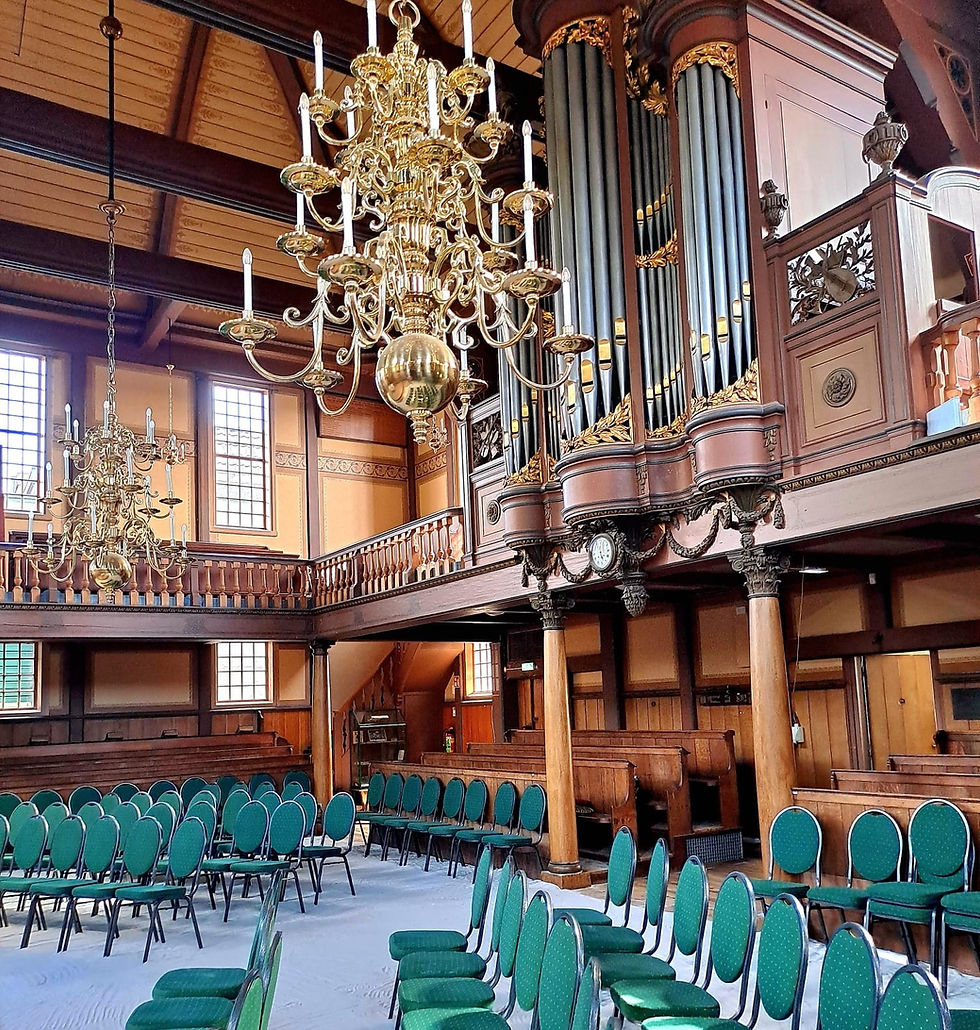
I take a closer look inside one of these well-preserved historic churches. Looking up, the massive open roof structure immediately catches my eye. Here, the shipbuilders of the congregation applied the principle of a ship's hull—only upside down. The room radiates an incredible sense of peace and tranquility. This impression is further enhanced by the floor, which is covered with sand. Centuries ago, the sand served as protection against fire.
Preaching for the Tsar
It is said that the Russian Tsar once visited this church. The Mennonite minister who guided him through the town also showed him the church. There, the Tsar requested to hear a typical Mennonite sermon. However, he asked the preacher to keep it brief.
Preacher Cornelis Calff stepped into the pulpit and said with dignity: "Think well, speak well, and act well. Amen." The Tsar replied that it was the finest sermon he had ever heard.

A Cemetery as a Memorial to the Mennonites
In the evening, I stand in a historic cemetery established in the seventeenth century. It was a time when Mennonites had already accumulated considerable wealth, yet did not wish to display it openly. This becomes evident in the simple gravestones.
It is not exclusively a Mennonite cemetery. However, the historian Jan Leguijt confirms that a relatively high proportion of those buried here were Mennonites, since many Mennonites lived in Koog aan de Zaan and Zaandijk during that period. Well-known Mennonite family names included Honig(h), Crok, Stuurman, Duyvis, Couwenhove, and Sweepe—names that remain associated with major entrepreneurial families in the region to this day.
Here, the tension between simplicity and the actual prosperity of many Mennonite families can be understood particularly well.

What Remains When Everything Changes?
Persecuted craftsmen become successful merchants and factory owners. Unintentionally, they become capitalists. They open themselves to the society around them. They are swept along by the spirit of the Enlightenment. As a result, the devotion of many congregations begins to decline.
The Mennonite names of the region's major companies still remind people of their origins. Yet their once well-filled churches have largely been abandoned. Only occasional worship services are still held. The few visitors are mostly of retirement age.
Perhaps their story can be summarized in three short sentences:
From faith came prosperity. From prosperity came adaptation. Adaptation led to decline.
I find myself wondering whether faithful discipleship must always end this way.
A Contemporary Witness on Imitating the World
As early as the middle of the seventeenth century, Thieleman J. van Braght lamented the condition of the Mennonites in the Netherlands:
"Many large, splendid, and richly decorated houses ... Foreign styles of dress from other countries, imported fabrics, unusual colors, and strange fashions ... Lavish meals, extravagant banquets, weddings, and celebrations filled with every kind of abundance ... provide undeniable evidence of sensual and indulgent hearts. ... Oh, how greatly this differs from the life of a true Christian, who has denied himself and his desires!"
(Martyrs Mirror, Introduction: "To My Beloved Friends and Fellow Believers in Christ Jesus, Our Savior")

Looking Back
For these Mennonites, work was an act of worship, and self-denial was a way of following Christ. Today, these principles are nowhere to be found here. Even so, this is one of the best places to gain an understanding of the history of an extraordinarily successful economic region—one in which the Mennonites played a defining role and left a lasting legacy.


Kommentare